Solar Panels for Your Home
Residential solar PV systems designed around your roof, your household and how you use electricity.
Generate your own electricity from daylight
A residential solar PV system uses panels on your roof to convert daylight into electricity. That electricity powers your home first, with any surplus stored in a battery — if you have one — or exported to the grid.
Every home is different. Roof orientation, pitch, shading and your household's electricity use all influence the right system, which is why each design starts with a consultation and survey.
Benefits of Solar Panels for Homeowners
Generate electricity from sunlight
Your panels produce electricity whenever there is daylight, including on overcast days at reduced output.
Rely less on the grid
Using the electricity you generate reduces how much you need to buy from your supplier.
Potential long-term cost reductions
Depending on your system and usage, solar may help reduce electricity costs over time. Savings are not guaranteed.
Pair with battery storage
A suitable battery lets you store surplus generation for use in the evening.
Better energy management
Monitoring tools help you understand when your home generates and uses electricity.
Designed for your property
Layouts tailored to your roof, from compact terraces to larger detached homes.
How Residential Solar Systems Work
- 1
Panels
Photovoltaic panels on your roof convert daylight into DC electricity.
- 2
Inverter
An inverter converts DC into AC electricity that your home can use.
- 3
Consumer unit
Electricity feeds into your home's circuits, powering appliances as needed.
- 4
Battery or export
Surplus electricity charges a battery, if fitted, or is exported to the grid.
Understanding generation and consumption
Solar panels generate most electricity around the middle of the day, while many households use most of theirs in the morning and evening. The closer your usage matches your generation, the more of your own electricity you use directly.
If you are often out during the day, a battery can store surplus generation for later. If someone is usually at home, you may use more of your generation as it is produced.
Solar and battery integration
Solar PV and battery storage can be designed together from the outset, or a battery can often be added later. Planning ahead makes future upgrades more straightforward.
Learn about battery storageYour Journey to Smarter Energy
A straightforward process designed to make switching to solar energy as simple as possible.
- 1
Initial Consultation
Discuss your requirements, property and current electricity usage to understand your energy goals.
- 2
Survey & System Design
Assess the property and develop a suitable solar PV and battery storage solution.
- 3
Quotation & Approval
Receive a clear proposal explaining the recommended installation and associated costs.
- 4
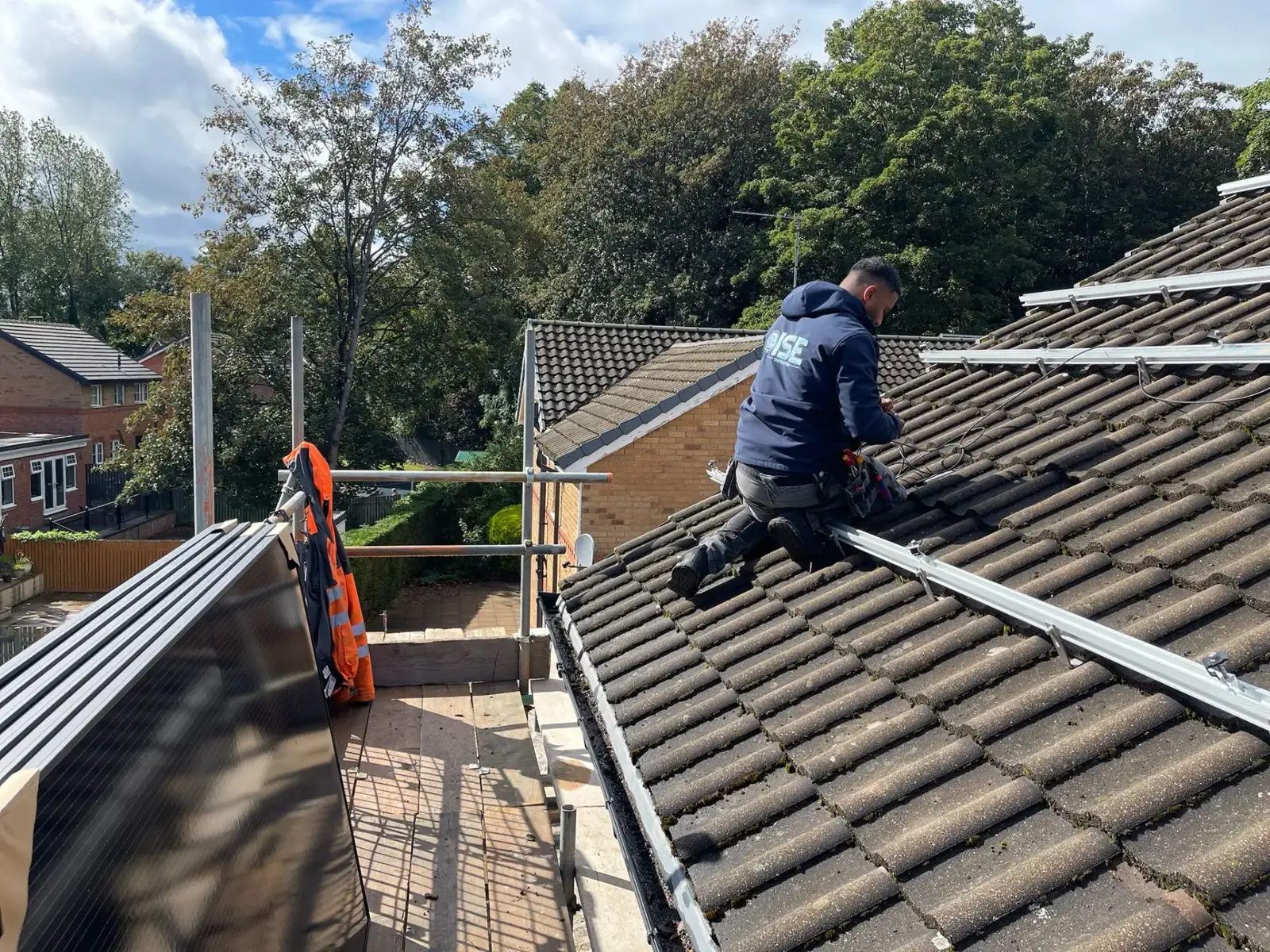
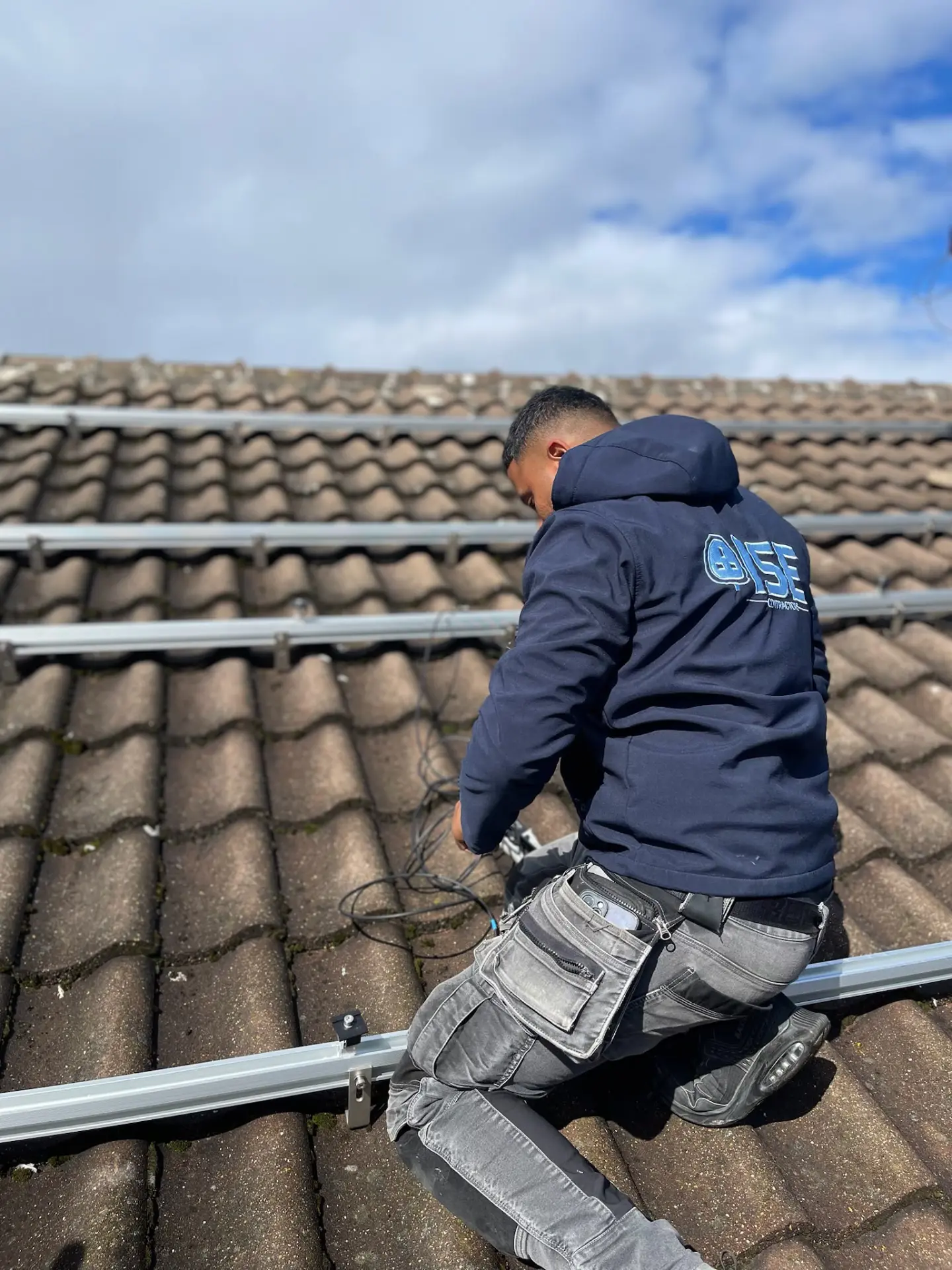
Installation
The agreed installation is carried out using appropriate equipment and professional electrical installation practices.
- 5
Testing & Commissioning
The completed system is tested and commissioned, with relevant certification and documentation where applicable.
- 6
Handover & Aftercare
We explain how your system operates, provide handover documentation and outline warranty and aftercare arrangements.
12-Year Warranties on Solar & Battery Installations
Invest in your energy future with greater confidence. Nassau Electric League offers 12-year warranties for solar and battery installations, with full coverage details provided as part of your quotation.
Solar PV
12 Years
12-year warranty. Specific terms supplied with your quotation.
Battery Storage
12 Years
12-year warranty. Specific terms supplied with your quotation.
Certified & Approved
Our commitment to professional installation standards, safety and quality.

MCS
Certified under the Microgeneration Certification Scheme for solar PV and renewable energy installations.
Visit website
NAPIT
Registered with NAPIT, the government-approved electrical certification scheme, for safe and compliant electrical work.
Visit website
TrustMark
Registered with TrustMark, the Government Endorsed Quality scheme for work carried out in and around the home.
Visit websiteDomestic Solar FAQs
Do I need planning permission?
Many domestic installations fall within permitted development rights, but exceptions apply — for example listed buildings, conservation areas and some flat roofs. Rules also differ between England, Scotland and Wales. This is checked for your property before installation.
Can solar panels reduce electricity bills?
Using electricity you generate yourself can reduce the amount you buy from the grid. The level of any saving depends on your system, usage, tariff and property, so we do not guarantee specific savings.
Which way should my roof face?
South-facing roofs typically generate the most, but east- and west-facing roofs can still produce useful electricity. Shading and pitch also matter.
Can I add battery storage to existing solar panels?
In many cases, yes. Compatibility with your existing inverter and system is assessed first, and an additional or hybrid inverter may be needed.
Get a Free Domestic Solar Quote
Tell us about your home and we'll talk you through the options.